Divine Mercy Celebration
Please join us on Sunday, April 4, 2027 for the Divine Mercy Celebration.
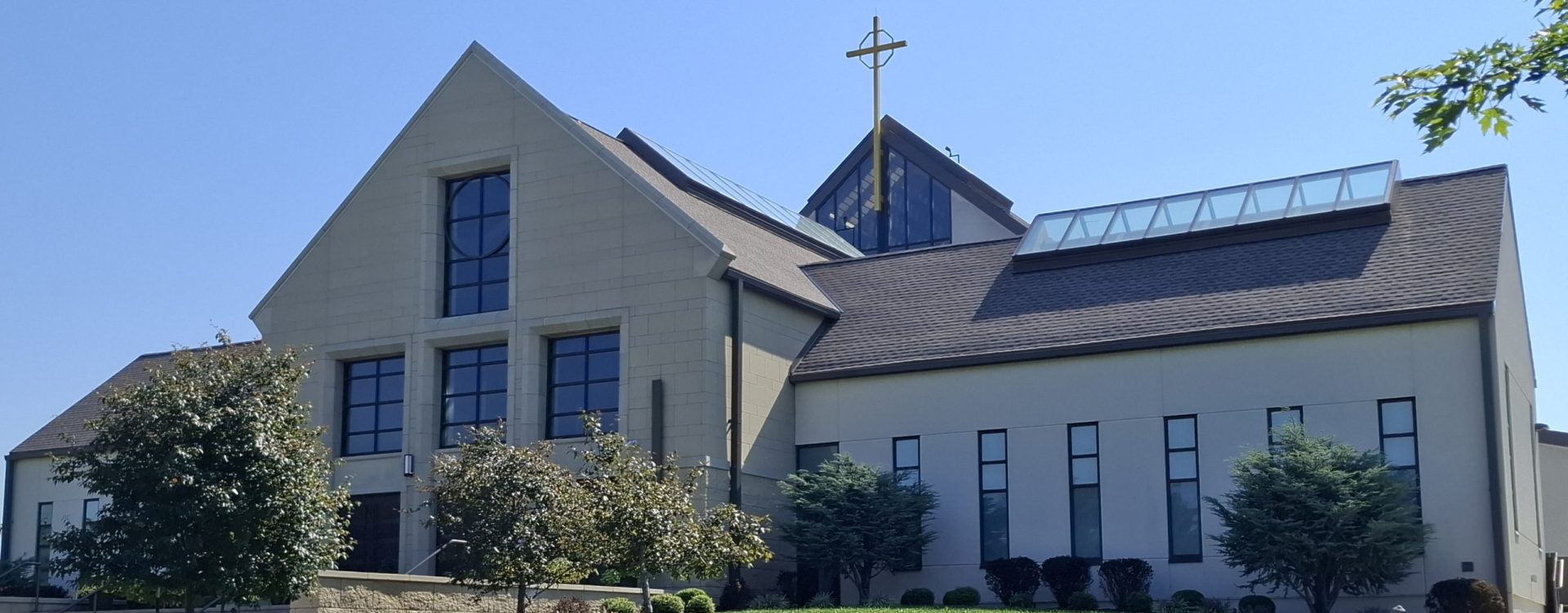
Place: St. James Catholic Church
Come at any time and stay as long as you are able.
Exposition of the Blessed Sacrament
Opportunity for Confession
Chaplet of Divine Mercy
St. Faustina’s Praises of the Divine Mercy
Benediction
During the course of Jesus’ revelations to St. Faustina on the Divine Mercy, He asked on numerous occasions that a feast day be dedicated to the Divine Mercy and that this feast be celebrated on the Sunday after Easter.
This feast was granted to the Church by Pope John Paul II on the occasion of the canonization of St. Faustina on April 30, 2000.
About Divine Mercy Sunday
On the Second Sunday of Easter of the Jubilee Year 2000, at the Mass for the Canonization of St. Faustina Kowalska, Pope John Paul II declared the Sunday after Easter be called “Divine Mercy Sunday.”
St. Faustina was a Polish nun who received visions from Jesus, including one of Jesus wearing a white garment with beams of red and white coming from His heart, which came to be known as the image of Divine Mercy. She wrote in her diary that He said:
“I want the Image to be solemnly blessed on the first Sunday after Easter, and I want it to be venerated publicly so that every soul may know about it…
My daughter, tell the whole world about My inconceivable mercy. I desire that the Feast of Mercy be a refuge and shelter for all souls, and especially for poor sinners. I pour out a whole ocean of graces upon those souls who approach the fount of My mercy.”
According to the vision, those who receive communion and attend confession on the Feast of Mercy receive total forgiveness of sins.
** Since we are unable to physically confess our sins or receive Holy Communion on this day, see below on how to make Acts of Perfect Contrition and Spiritual Communion.
Pope John Paul II discussed the significance of the image of Divine Mercy in his homily for the canonization of St. Faustina:
From that Heart [of Christ], Sr. Faustina Kowalska, the blessed whom from now on we will call a saint, will see two rays of light shining from that heart and illuminating the world. “The two rays”, Jesus Himself explained to her one day, “represent blood and water” (Diary, entry 299).
Blood and water! We immediately think of the testimony given by the Evangelist John, who, when a soldier on Calvary pierced Christ’s side with his spear, sees blood and water flowing from it (see Jn 19:34). Moreover, if the blood recalls the sacrifice of the Cross and the gift of the Eucharist, the water, in Johannine symbolism, represents not only Baptism but also the gift of the Holy Spirit (see Jn 3:5; 4:14; 7:37-39).
Divine Mercy Sunday focuses on the gift of mercy and love given through Christ’s death, burial, and resurrection. As Pope John Paul II stated, “Divine Mercy reaches human beings through the heart of Christ crucified.”